
Welcome to Insight Chicago Neurology
The neurology team at Insight Hospital & Medical Center Chicago offers expert care for a wide range of neurological conditions, combining advanced technology with personalized treatment to help patients achieve the best possible outcomes.
SCHEDULE APPOINTMENT ONLINE
Location
2525 S Michigan Ave. Chicago, IL 60616
12th Floor
Main line: (312) 567-2012
Fax: (312) 447-7282
Hours
Monday – Friday 8 a.m. to 5 p.m.
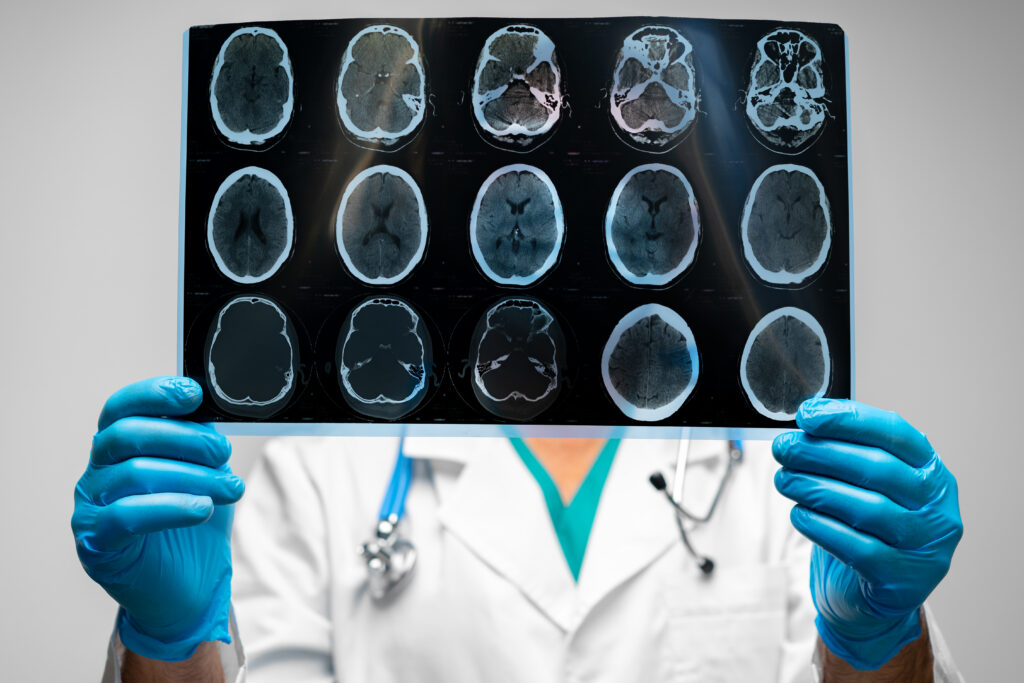
We Specialize In
General Neurology: We offer comprehensive neurological evaluations to diagnose and treat a wide range of neurological conditions, including headache disorders, epilepsy, dementia, Parkinson’s disease, multiple sclerosis, and other neurodegenerative disorders.
Pediatric Neurology: We provide specialized neurological care for infants, children, and adolescents, offering thorough evaluations to diagnose and manage a wide range of pediatric neurological conditions, including developmental delays, seizure disorders, headaches and migraines, cerebral palsy, neuromuscular disorders, autism-related neurological concerns, and other disorders affecting the developing nervous system.
Neurophysiology: Our neurophysiology team uses advanced diagnostic tools to measure and record the electrical activity of the brain, spinal cord, and nerves to diagnose a variety of neurological conditions, including epilepsy, sleep disorders, and neuromuscular disorders.
Stroke Care: Our stroke care team includes neurologists, neurosurgeons, and other specialists who work together to provide rapid diagnosis and treatment for patients who have suffered a stroke. Our goal is to minimize the damage caused by a stroke and help patients achieve the best possible recovery.
Pain Management: We offer a variety of pain management services for patients who suffer from chronic pain caused by neurological conditions. Our team uses a multidisciplinary approach to manage pain, including medication management, physical therapy, and alternative therapies.We provide specialized neurological care for infants, children, and adolescents, offering thorough evaluations to diagnose and manage a wide range of pediatric neurological conditions, including developmental delays, seizure disorders, headaches and migraines, cerebral palsy, neuromuscular disorders, autism-related neurological concerns, and other disorders affecting the developing nervous system.
Leading-Edge Techniques and Treatments
At Insight Neurology, we understand that neurological concerns can feel overwhelming. That’s why our team takes a compassionate, patient-centered approach to every case. Using the latest diagnostic technology and minimally invasive techniques whenever possible, we work to reduce pain, scarring, and recovery time.
Our specialists also rely on advanced neuroimaging to accurately identify and target the areas of the brain, spine, or nervous system that require treatment — helping minimize risk and support the best possible outcomes.
MOVEMENT DISORDERS WE TREAT
Movement disorders are neurological conditions that affect the speed, fluency, quality, and ease of movement. These conditions may cause abnormal involuntary movements, slowed movement, stiffness, tremor, difficulty with coordination, or problems with walking and balance.
Parkinson’s Disease
A progressive neurological disorder that affects movement, balance, and coordination. Common symptoms include tremor, stiffness, slowed movement (bradykinesia), shuffling gait, and changes in speech or facial expression.
Essential Tremor
A common movement disorder that causes rhythmic shaking, most often affecting the hands, but sometimes the head, voice, or legs. Tremors typically worsen with activity or purposeful movement.
Dystonia
A condition characterized by involuntary muscle contractions that cause twisting movements, repetitive motions, or abnormal postures. Dystonia may affect one body region or multiple areas.
Common Forms of Dystonia:
● Cervical dystonia (spasmodic torticollis): involuntary neck muscle contractions causing abnormal head positioning
● Blepharospasm: involuntary blinking or eyelid closure
● Writer’s cramp: task-specific hand cramping during writing or fine motor activities
● Oromandibular dystonia: abnormal movements involving the jaw, tongue, or lower face
Huntington’s Disease
A hereditary neurodegenerative disorder that causes involuntary movements (chorea), cognitive decline, and behavioral or psychiatric symptoms.
Chorea
A movement disorder involving brief, irregular, dance-like involuntary movements. Chorea can occur as part of several neurological or metabolic conditions.
Ataxia
A neurological condition that impairs coordination, balance, and speech. Patients may experience unsteady gait, clumsiness, dizziness, or difficulty with fine motor tasks.
Tourette Syndrome and Tic Disorders
Conditions characterized by sudden, repetitive, involuntary movements or vocalizations called tics. Symptoms may range from mild to more complex motor and vocal tics.
Myoclonus
Rapid, sudden muscle jerks that may affect one muscle group or the entire body. Myoclonus can occur independently or as part of other neurological disorders.
Hemifacial Spasm
Involuntary twitching or contractions affecting muscles on one side of the face, often beginning around the eye and progressing to other facial muscles.
Restless Legs Syndrome (RLS)
A neurological condition causing uncomfortable sensations in the legs accompanied by an urge to move, often worsening at night or during periods of rest.
Tardive Dyskinesia
A disorder involving repetitive, involuntary movements—often affecting the face, lips, tongue, or limbs—typically associated with long-term use of certain medications.
Functional Movement Disorders
Abnormal movements such as tremor, spasms, gait disturbances, or jerking movements that are related to dysfunction in nervous system signaling rather than structural neurological disease.
Wilson Disease
A rare inherited disorder in which copper accumulates in the body, potentially causing tremor, dystonia, difficulty speaking, psychiatric symptoms, and liver disease.
Progressive Supranuclear Palsy (PSP)
A rare neurodegenerative disorder causing problems with balance, walking, eye movements, stiffness, and speech.
Multiple System Atrophy (MSA)
A progressive neurological condition associated with Parkinson-like symptoms, coordination difficulties, and dysfunction of automatic body functions such as blood pressure or bladder control.
Corticobasal Syndrome (CBS)
A rare neurodegenerative condition causing stiffness, abnormal posturing, impaired coordination, and difficulty performing learned movements.
Lewy Body Dementia
A neurological disorder associated with cognitive decline, Parkinsonian movement symptoms, fluctuations in alertness, and visual hallucinations.
Drug-Induced Parkinsonism
Parkinson-like symptoms caused by certain medications, typically resulting in stiffness, tremor, and slowed movement.
Gait and Balance Disorders
Neurological conditions affecting walking stability, coordination, and fall risk. Symptoms may include shuffling gait, imbalance, freezing of gait, or frequent falls.
Spasticity
Abnormal muscle tightness or stiffness caused by neurological injury or disease, which may interfere with movement, walking, and daily activities.
Tremor Disorders
Disorders characterized by involuntary rhythmic shaking movements that may occur at rest or during activity.
Types include:
● Resting tremor
● Action tremor
● Intention tremor
● Orthostatic tremor
Neurologic Disorders Treated With Botulinum Toxin Therapy
Botulinum toxin injections may be used to treat several movement disorders, including:
● Cervical dystonia
● Hemifacial spasm
● Blepharospasm
● Spasticity
● Chronic migraine
What to Expect at Insight Chicago Neurology
- Expertise from Board-Certified Neurologists
- Comprehensive Care and Ability to Treat Complex Neurological Conditions
- State-of-the-Art Facilities Equipped with the Latest Technology
- Patient-Centered Approach to Address Your Concerns and Goals
- Access to a Wide Range of Specialists – All Under One Roof
- A Supportive Environment With Helpful, Friendly Office Staff
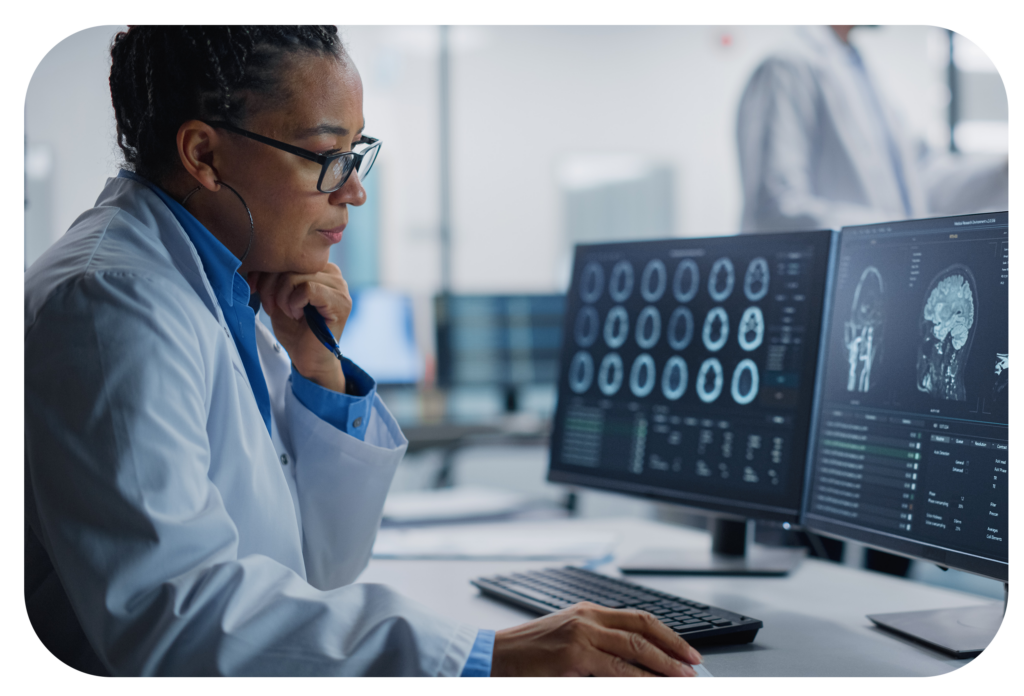

Get Help Today
- Contact us to learn more about our services and schedule an appointment with a neurologist at Insight Hospital & Medical Center Chicago.
Meet Our Neurology Team

Taha Ataya, MD
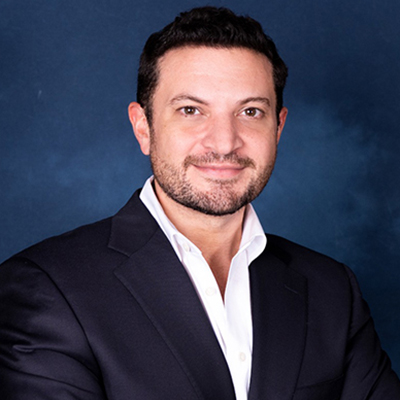
Dr. Rany Aburashed

Taofik Nasrat, MD

Ateeq Haseeb, MD
Taha Ataya, MD
Dr. Rany Aburashed
Dr. Rany Aburashed is the Corporate Chief Medical Officer and Chief of Sub-Specialty Services at Insight. Dr. Aburashed completed his undergraduate studies in psychology and world religion at Albion College, graduating with honors. He received the Michigan Medical Grant to attend Michigan State University’s College of Osteopathic Medicine, where he received his doctorate in 2006. After completing his neurology residency, Dr. Aburashed served as the chief resident at Michigan State University/Sparrow Hospital.
Following his education, Dr. Aburashed went on to be the founder of Memorial Healthcare’s Institute for Neurosciences and Multiple Sclerosis. Before joining Insight’s executive leadership team, Dr. Aburashed previously served as the Chair of Neurology and Chair of specialty services at Memorial Healthcare.
He has extensive research experience in the neuroimmunology space, serving as primary investigator on over 30 phase 1-4 clinical trials. In addition to this, he is best known for his work using single molecule array assay technology to assess protein biomarkers in multiple sclerosis patients. Dr. Aburashed’s primary research interest is in precision disease management using neurofilament light and biomarker profiles to better understand treatment effects in multiple sclerosis.
Dr. Aburashed has been featured on CNN, Nasdaq, Yahoo News, and multiple other news outlets regarding his clinical expertise and lectures both nationally and internationally on his work.
Taofik Nasrat, MD
Dr. Taofik Nasrat is a board-certified neurologist at Insight. Dr. Nasrat specializes in diagnosing, treating, and managing a wide range of neurological conditions and disorders, including seizure, stroke, dementia, headache, neuropathy, and muscle disorders. Dr. Nasrat graduated from Tripoli University School of Medicine and completed his residency and fellowship training at Wayne State University, where he received the Best Resident Teacher honor. Prior to joining Insight, Dr. Nasrat worked as a neurologist at Blessing Hospital in Quincy, Illinois and at Zawia School of Medicine in Zawia, Libya. He has also been published in numerous medical journals and is a member of the American Academy of Neurology. Dr. Nasrat is passionate about creating an open, safe, and supportive environment for his patients, and is currently accepting new patients at our Dearborn and Warren locations.
Ateeq Haseeb, MD
Pediatric Neurology | Epilepsy
Dr. Ateeq Haseeb is a highly regarded neurologist providing comprehensive care to pediatric patients. With over 17 years of experience, he is known for early identification and effective management of neurological conditions, helping patients achieve improved outcomes and maintain quality of life. His clinical interests include epilepsy, headaches and migraines, stroke, dementia, movement disorders, autism, ADHD, cerebral palsy, and neurobehavioral conditions.
Patient Care Second to None
A patient-centered philosophy is at the heart of everything we do at Insight. We understand the anxiety and challenges that come with neurological conditions and strive to create a supportive and comfortable environment. Our team also works closely with patients and their families to ensure everyone we see has a clear understanding of their condition and treatment options.